In times of chaos, organizations need two skills: improvisation and imagination

The unthinkable keeps becoming reality. Record heat, AI disruption, global realignments — yet most organizations still get blindsided by predictable change. Our feature essay, "Strategy in the Age of Chaos," reveals why — and how you can move through chaos with quick improvisation and bold imagination.

This issue also dives into the signals and stories shaping tomorrow. From the rise of “greenhushing” to fractional leadership and effective methods for navigating addiction recovery, the rules of business, society, and survival are being rewritten in real time.

Are you ready to rethink what’s possible? Read on to discover tools to turn uncertainty into opportunity.

Signals from the Future

These signals from IFTF's Future Factors platform point to emerging shifts in strategy, from greenhushing to fractional leadership.
Companies embrace "greenhushing" over greenwashing

Greenwashing is out. Greenhushing is in. Research shows 90% of 400 corporate executives are sticking with or ramping up environmental efforts this year. Yet, 30% are choosing "greenhushing" — staying silent about their ESG work. Why? Companies seek resilience and long-term gains. It’s good for profits and ethics. But silence shields them from political and legal backlash.

What if more organizations chose to stay silent about their ethical actions in a society pushing back against social good?

Senior executives are opting to be fractional leaders

Senior leaders are breaking free from rigid hierarchies. Many are embracing “fractional leadership" — part-time roles across multiple companies. This shift offers freedom and variety for leaders while helping businesses cut costs. Smaller firms gain access to top-tier expertise, and executives enjoy diverse projects without long-term ties.

What if more part-time leaders shaped organizational strategies?

Paying meth addicts for sobriety is gaining traction

Treating meth addiction with contingency management (CM) is gaining ground in the U.S. This strategy rewards sobriety with tangible incentives. Though not new, it’s seeing wider use. In January, Biden raised the federal grant cap for CM rewards from $75 to $750 per patient. Some employers now let health insurance cover it. Studies show CM has a 50% success rate — outperforming traditional methods like counseling and cognitive behavioral therapy, which stand at 30%.

Could CM rewards create lasting change and reshape recovery outcomes?

Weight loss company leans into competing weight loss drugs

WeightWatchers is redefining itself. Under CEO Sima Sistani, the brand has acquired a telehealth company that prescribes weight loss drugs like Ozempic. This marks a shift from focusing only on diet and exercise to recognizing obesity as a disease, not just a matter of willpower. The move signals a bold step to align with changing perspectives and modern solutions.

What if more organizations embraced competing forces?

IFTF FEATURE
Why Smart Organizations Still Get Blindsided

Strategy in the Age of Chaos

Every day, the unimaginable becomes real: record-breaking heat, wars erupting in Europe, AI taking jobs, shifting global alliances. As the joke goes, "If dragons descended, no one would be surprised."

Yet most of today's shocking realities were yesterday's forecasts. So why do organizations keep getting blindsided?

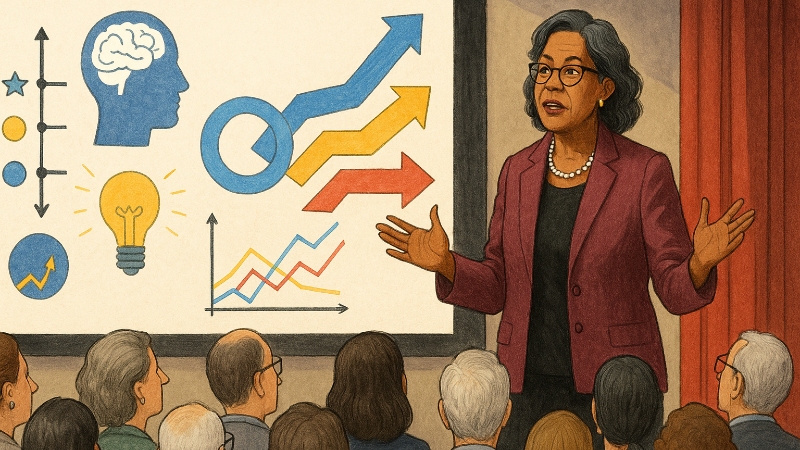
In "Strategy in the Age of Chaos," IFTF's Marina Gorbis and Lyn Jeffery explain the failure points: we cling to the present, avoid "forbidden futures," and protect outdated structures.

The solution? Master quick improvisation for survival and bold imagination for the future. Their toolkit: flip your assumptions, run "signals swarms," engage everyone in futures thinking, and more.

Read our full essay on navigating chaos.

WEBINAR FOR IFTF VANTAGE PARTNERS
Relational Health: The Future of Wellbeing

Exclusive Webinar for IFTF Vantage Partners

Wednesday, September 17 at 9-10am PDT / 6-7pm CEST

What if, in a decade, relationships were understood to be the most important factor shaping health? Join IFTF Research Director Rachel Maguire and Research Manager Nathalie Lopez to hear our latest research on the future of relational health and wellbeing.

Look for the registration link in your IFTF Vantage Partner Update.

IFTF SERVICE SPOTLIGHT
Signals Sense-making Memo: Get Early Access to Change Before It Goes Mainstream

The Q2 Signals Memo delivers fresh insights from IFTF's Future Factors platform — curated quarterly for Vantage partners.

Each signal is chosen to spark strategic conversations and spotlight blind spots before they become costly. Use them to challenge leadership perspectives or align with initiatives to uncover new opportunities.

This quarter’s 19-country scan highlights shifts in neurotechnology, generative media, and experimental governance — intelligence that sharpens Vantage Partners' edge.

The Signals Memo is one of many ways the Vantage program plugs you into the "know and flow" of IFTF’s ongoing research and global futures community.

Ready to boost your strategic foresight? Contact us.

IFTF INSIGHT
Future-Ready Leadership: How One College President Transformed Strategic Planning

Future-Ready Leadership: How One College President Transformed Strategic Planning

When dramatic change hits, some leaders scramble while others pivot seamlessly. MiraCosta College President Sunita Cooke belongs to the latter group, recently profiled and applauded for her forward-thinking approach to strategic planning that considers multiple scenarios rather than relying solely on historical data.

Since first encountering IFTF in 2015, Cooke has integrated futures thinking throughout MiraCosta's operations. "A 'futures thinking' approach has MiraCosta well positioned to pivot quickly and adapt to dramatic changes — while continuing to serve the community in an equitable and inclusive way," she explains.

Read about IFTF’s strategic planning partnerships with organizations.

IFTF FORESIGHT ESSENTIALS ALUMNI SPOTLIGHT
How Foresight Helped Me (and My Country) Rewrite the Future

Malena Pinto

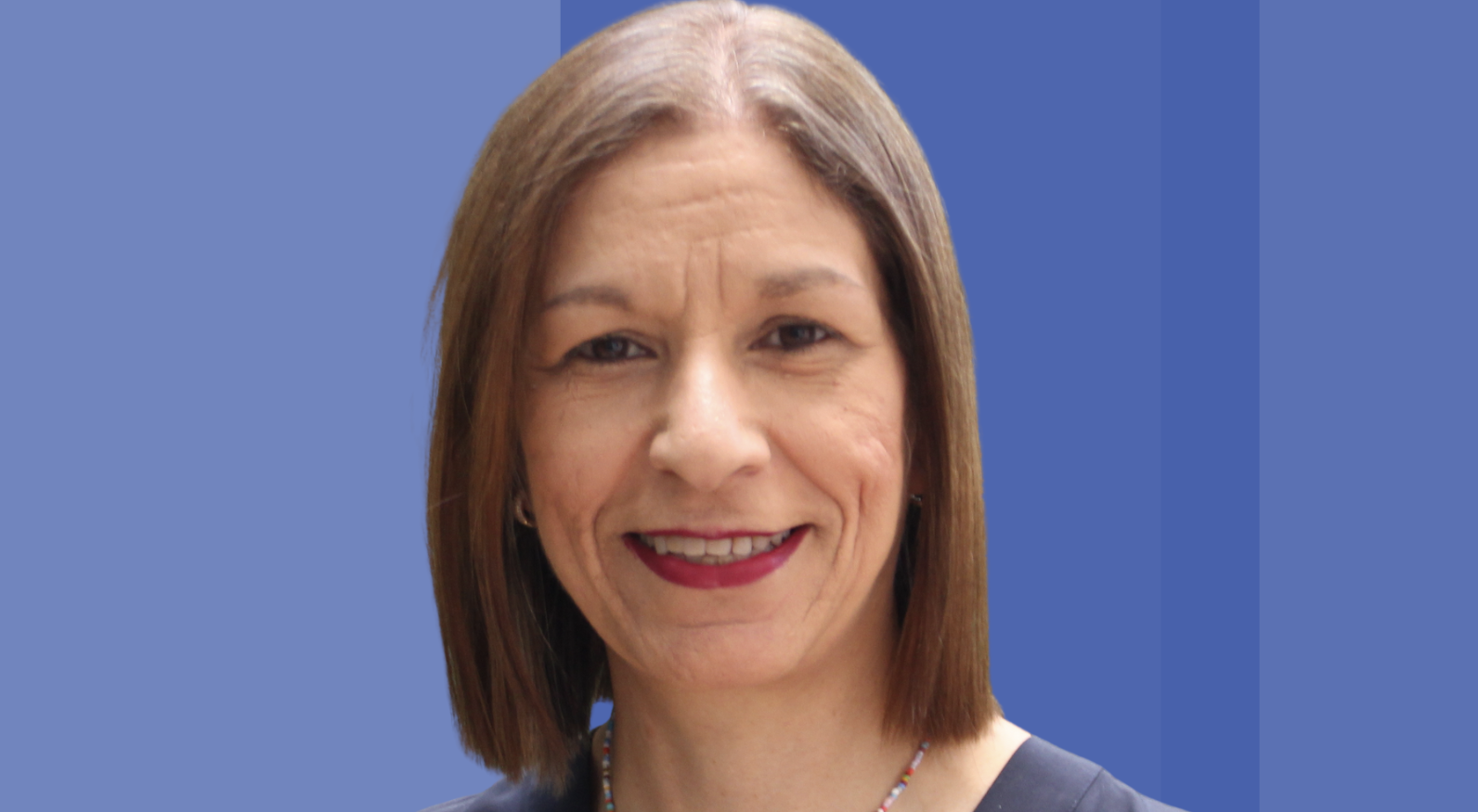
Malena Pinto proves that futures thinking can ignite hope in tough times. As Coordinator of the Thinking Accelerator at Venezuela’s IESA, she transforms despair into action. Using IFTF tools she acquired in our Foresight Essentials trainings, Malena guides industry leaders and citizens to imagine better futures. Her work empowers communities to see potential where once there was none.

Her mission? To foster futures literacy, collective intelligence, and participatory foresight in Venezuela — turning short-term challenges into long-term opportunities.

Read our profile of Malena Pinto.

Discover how Malena’s journey can inspire your own. Explore IFTF Foresight Essentials and bring transformative futures thinking to your community.

Upcoming IFTF Foresight Essentials Trainings

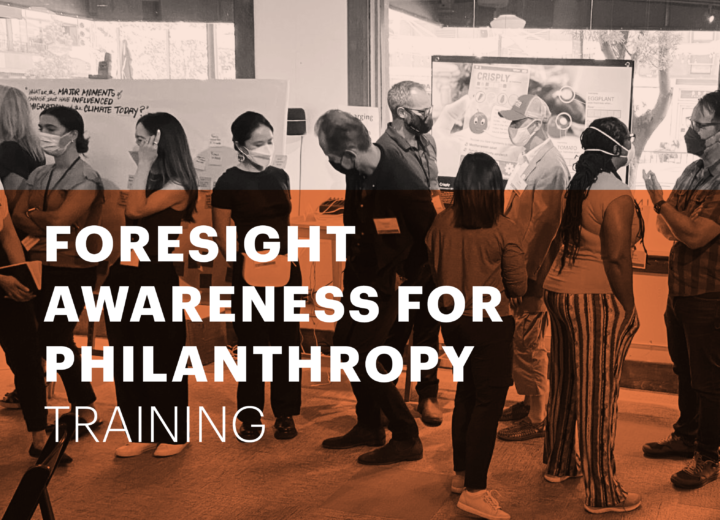
IFTF Foresight Awareness for Philanthropy in 90 Minutes
Live-Online

Sep 8, 2025

Register here »

IFTF Scenario Building
Live-Online

Sep 9 - Oct 8, 2025

Register here »

IFTF Foresight Essentials Washington, D.C.

Oct 14 - 16, 2025

Register here »

IFTF Foresight Essentials
Live-Online

Oct 29 - Dec 10, 2025

Register here »

ALL UPCOMING TRAININGS & EVENTS »

IFTF FORESIGHT TALK
A Toolbox for Building Latin American Futures: Dr. Karla Paniagua on Banking, Tourism, and Imagination

Mark your calendar for August 5! Join IFTF for an inspiring Foresight Talk with Dr. Karla Paniagua, Head of Futures Studies at CENTRO University. She’ll dive into two groundbreaking projects: a speculative design exploration of banking’s future and her team’s innovative work on sustainable tourism policy in Mexico. Discover the tools and processes driving these transformative initiatives and gain insights into applying complex foresight methodologies in your own work.

Don’t miss this chance to learn from a leading expert in futures thinking.

Tuesday, August 5 | 9:00am PDT
Register here »

RESOURCES
What if Ambiguity Could Be Your Greatest Tool for Change?


In "The Strategic Art of Ambiguity," movement strategist Kyle Crawford unveils how social innovators can operate effectively in hostile environments. By embracing ambiguity — crafting messages open to multiple interpretations — organizations can navigate opposition, reach diverse audiences, and protect their intentions. Crawford shares diagnostic questions to help leaders decide when ambiguity is advantageous, unlocking new strategic possibilities. This approach offers changemakers a dynamic way to turn challenges into opportunities for impactful action.